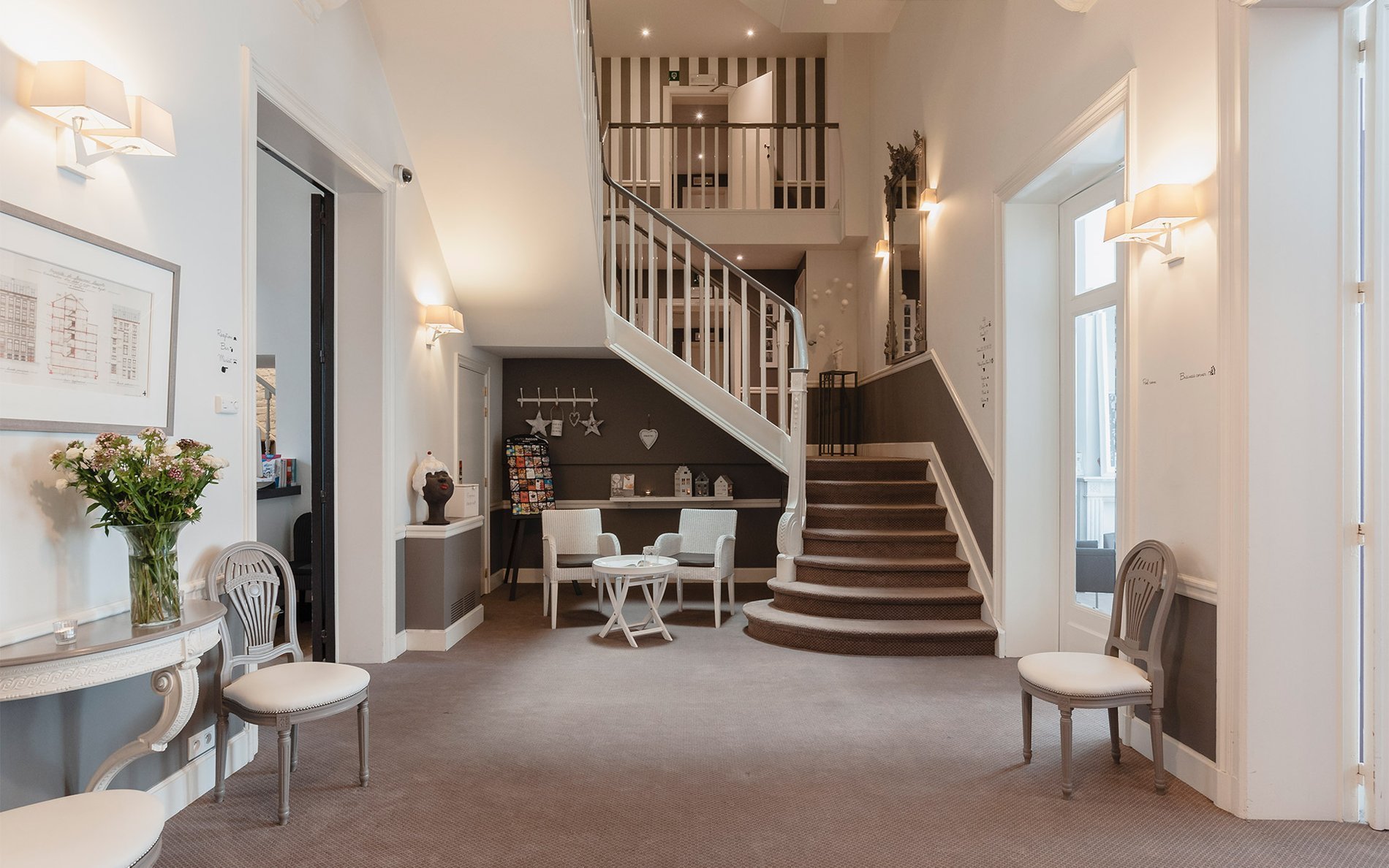

A Different Brussels
From 27 june 2026
The Louise quarter, about fifteen minutes south of the centre by tram, offers something that the historic heart of the city cannot: the feeling of staying somewhere that has its own life independent of tourism. A neighbourhood that goes to market on Wednesday mornings, has its regular restaurants, its local bookshop, its preferred coffee, and where visitors are welcome without being the primary audience.
What the Centre Gives You
The argument for staying near the Grand-Place is straightforward. The square itself is genuinely extraordinary, a UNESCO World Heritage Site surrounded by Baroque guild halls that took most of the 17th century to build. The Manneken Pis, the Galeries Royales Saint-Hubert, the Sablon, the Marolles flea market: they are all within a reasonable walk. For a trip built around covering ground efficiently, the centre makes sense.
What the centre does less well is give you a sense of the city as it actually functions. The streets immediately around the Grand-Place are busy with visitors in a way that makes it difficult to read the place clearly. The restaurants in that radius range considerably in quality. The noise level, particularly in summer, runs late.
What Louise Gives You Instead
Staying in the Louise quarter means waking up in a part of the city that is primarily residential. The buildings on the street are townhouses rather than hotels. The café on the corner is patronised by people who live nearby. Wednesday morning brings a food market to the Place du Châtelain, organic vegetables, cheese, bread, a queue at the better stalls, that has nothing to do with tourism and everything to do with how this neighbourhood actually eats.
The restaurants in the quarter are consistently good in a way that has to do with their clientele. They serve people who live here and come back. That accountability produces a different kind of cooking from the kind that depends on passing trade. It is not that the restaurants near the Grand-Place are bad, some are excellent, but the odds are different.
In the evenings, the Louise quarter is quieter than the centre in a way that tends to matter more after the first night. Place Flagey, ten minutes’ walk away, has the density of cafés and the atmosphere that makes for a good end to a day. The Bois de la Cambre, at the foot of the avenue, offers something the centre categorically cannot: a large park with a lake, walkable at dusk.
How Far the Sights Actually Are
The practical objection to staying outside the centre is time. It deserves a direct answer.
From Louise metro station, the Grand-Place is four stops, around eight minutes on the metro, which runs frequently. The walk takes about thirty-five minutes, but it is a walk worth doing at least once: down the avenue toward the city, through the Royal Quarter and past the Palais de Justice, into the Sablon, and then downhill into the old town. The route passes through three distinct versions of Brussels and provides a better understanding of how the city is structured than any amount of time spent within the historic pentagon.
The Musée Horta, one of the finest Art Nouveau interiors in existence, is fifteen minutes’ walk from Made in Louise, in the opposite direction from the centre. The Musées Royaux des Beaux-Arts, the Musical Instruments Museum, the Palais Royal open days in summer: all accessible in under twenty minutes. The Châtelain and Flagey quarters, which most first-time visitors to Brussels never find, are immediately on the doorstep.
Who This Suits
The honest answer is that the centre suits trips built around efficiency maximum sights, minimum transit. The Louise quarter suits trips built around experience. Not a better or worse objective, but a genuinely different one.
It works particularly well for couples who want a base that feels like a neighbourhood rather than a hub. For people returning to Brussels after a first visit who already know the Grand-Place and want to find the rest of the city. For anyone who travels primarily to understand how somewhere actually lives, and is willing to take a tram to the main sights in exchange for a more honest version of where they are.
Brussels is an underestimated city, more interesting, more layered, and considerably less simple than its reputation suggests. The Louise quarter is where that more interesting city starts to become apparent.
For a guide to the quarter itself, the neighbourhood guide is here. For what is on in Brussels this summer, the events guide is here.